
How to Find Property Lines When the Original Developer Installed the Fence
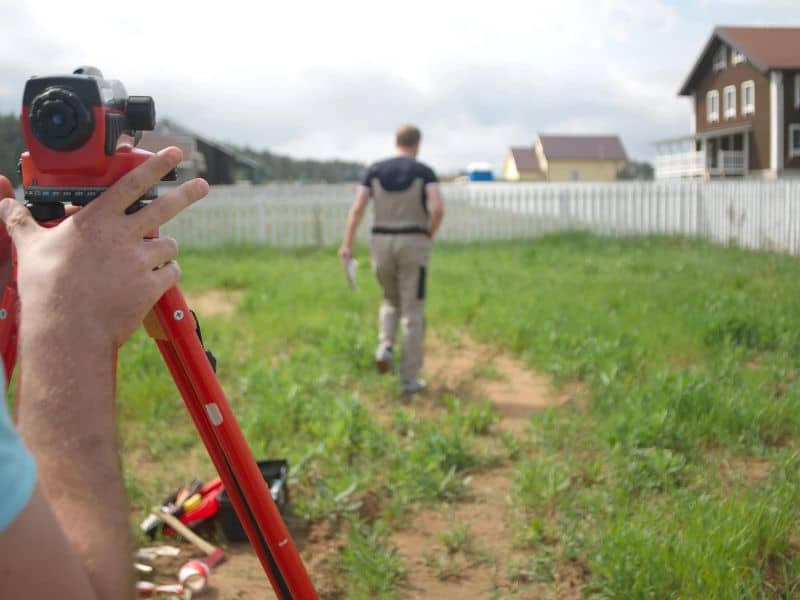
Plenty of homes came with a wood fence that the developer or builder put up before the first owner moved in. It wraps the back and sides of the yard, and it looks like the edge of your lot. That look can fool you.
If you’re trying to find property lines on a lot like this, treat the fence as a starting clue. The recorded subdivision plat and the corner markers in the ground carry far more weight. Check those two things before you plan a patio, a pool or a new fence near the line.
Why the Original Developer’s Fence May Not Mark the Lot Line
A developer’s fence shows where a crew built a fence. It doesn’t prove where your lot ends. Some crews set fences a little inside the line to play it safe, others build right on it, and a few miss it.
Speed plays a part on a big subdivision job. A crew might line up posts from stakes, from the house or from the fence next door. If one post goes in off line, the rest of the run can follow it down the row.
Time adds to the problem. Posts lean, gates sag and shifting clay soil can push a run out of place over the years. An earlier owner may also have rebuilt a section, and those new posts don’t have to match the old spots.
Compare the Fence With the Recorded Subdivision Plat
The plat is the map the developer filed when it created the subdivision. It shows each lot’s number and block, the length of each lot line and any easements. Your deed most likely describes your home by lot, block and subdivision name, and that description points straight to the plat.
You can usually get a copy through the Brazos County Clerk’s records or the title papers from your closing. Find your lot and note the width across the front and the back. Then look for utility or drainage easements along the rear or sides. A fence can sit inside an easement without changing your line, but the easement may limit what you build there later.
The plat tells you what the lines should measure. It can’t show where those lines fall on the ground today. For that, you need physical evidence that ties back to the plat.
Look for Survey Corners Before Trusting the Fence
Survey corners are markers a surveyor left at the lot corners, often when the subdivision first went in. Texas rules require a surveyor who marks a boundary to set corner monuments or leave the existing ones in place. On most residential lots, you’re looking for an iron rod or a piece of rebar, sometimes with a plastic or metal cap stamped with the surveyor’s firm.
A basic metal detector can help. These spots are worth checking first:
- The base of each fence corner post. Crews sometimes built right beside a rod or over the top of it.
- The front corners of the lot. These sit where the side lines meet the front line, which may fall well behind the curb.
- Under grass, mulch or edging. Years of mowing and landscaping can bury a rod out of sight.
Finding a rod helps, but it doesn’t settle the question. A fence auger, a utility crew or a lawn tractor can bump a marker off its original spot. A licensed surveyor checks found markers against the plat and nearby corners before relying on them, so leave any rod you find exactly where it is.
Check the Line Before Planning Improvements Beside the Fence
The closer your project sits to the fence, the more the true line matters. A patio slab, a storage building, a pool or a wider driveway all become hard to move once they’re built. Measuring from an unchecked fence carries its mistake into every one of those plans.
City of Bryan codes and any HOA rules may control how close you can build to a lot line. The distance can depend on zoning and the type of structure, so confirm it with the city or your HOA before anyone draws plans. Suppose the fence sits a foot inside your line and you measure a setback from it. You lose room you own. Suppose it sits a foot outside instead. You could end up building too close.
Get the line checked before you pay for a design or pour concrete. A surveyor can mark the corners or the line itself so your contractor works from real evidence. Moving a line on paper costs far less than moving a slab.
When the Fence and Survey Evidence Do Not Match
A gap between the fence and the surveyed line happens often. It doesn’t mean your neighbor or the developer did anything on purpose. The first step is a surveyor’s written findings, so you act on facts rather than on what the yard looks like.
Texas standards ask surveyors to follow the footsteps of the original surveyor and to study the deeds for your lot and the lots around it. The surveyor ties the boundary to corner markers where they exist. Where they don’t, the surveyor explains the other physical evidence in a sketch or written report. That record gives you and your neighbor the same set of facts to look at.
From there, a calm talk with the neighbor usually comes next. Share the survey drawing and talk through whether anyone needs to move the fence when it’s time to replace it. A fence that has stood in the wrong spot for many years can raise legal questions that a surveyor can’t answer, and a real estate attorney can explain your options.
Frequently Asked Questions
Can the fences on two neighboring lots follow different lines?
Yes. Each fence reflects how a crew set that particular run, so one yard’s fence may sit on the line while the next sits a foot off. You can’t use a neighbor’s fence to judge where your own boundary falls.
Can I measure my lot width from the fence posts?
Not with confidence. Unless someone has already checked the fence against the surveyed boundary, the posts may sit off the line. Any number you take from them repeats that same error.
Does a long, straight row of subdivision fences prove where the lots end?
No. A neat row can count as one piece of physical evidence, but appearance doesn’t set a legal boundary. Surveyors weigh deeds, the plat and corner markers along with anything they find in the field.